
This section presents strategic perspectives on advancing sustainable growth in developing countries by encouraging stronger engagement with the private sector. It introduces practical approaches and partnerships that contribute to job creation, expanded access to energy, and the development of future-oriented industries. Through knowledge sharing and collaboration, this section aims to highlight how inclusive engagement with private actors can complement national development goals and support resilient, self-sustaining economic progress.
Compiled by: Kyoungshin Kim, KGGTF Consultant
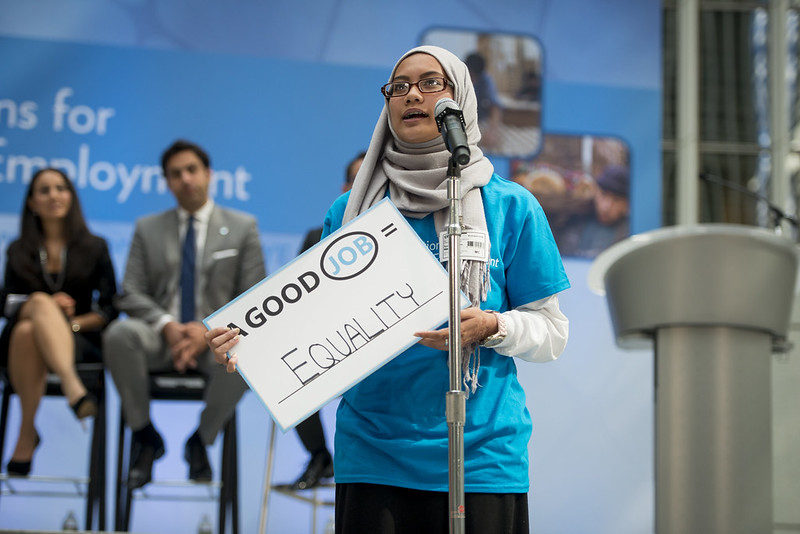
Sustainable Growth Through Youth Jobs: Korea & the World Bank
Youth unemployment remains a major challenge in developing countries. In response, Korea and the World Bank have delivered innovative programs that equip young people with the skills and opportunities needed for the future economy. This newsletter highlights recent projects targeting developing countries across KGGTF’s core sectors—agriculture, digital development, energy, environment, urban, and water. Each case demonstrates how investments in sustainable development can create meaningful employment and training opportunities for youth, often in collaboration with the private sector and local partners.
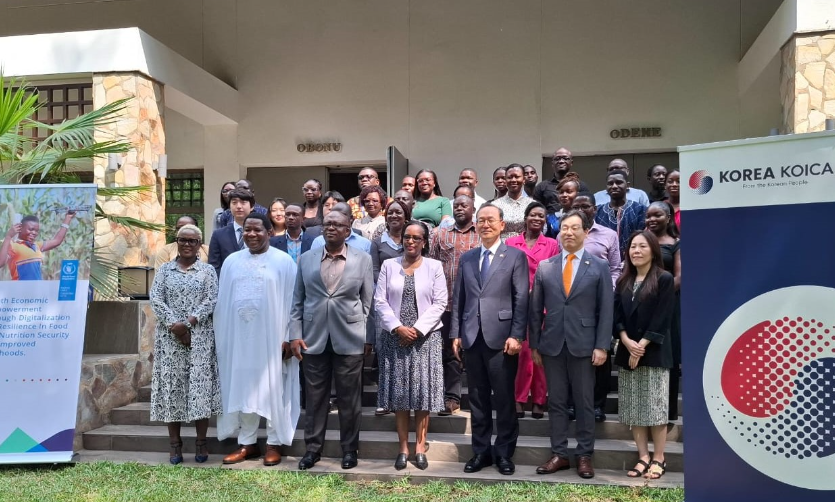
Ghana – Digital Agriculture for Youth Resilience(2025) - Agriculture
According to the Ghana National Association, KOICA and the World Food Programme (WFP) launched a $9.3M initiative to empower 15,000 Ghanaian youth with skills in digital agriculture and food system innovation. With approximately 38% of Ghana's population being youth, challenges persist in agricultural productivity and employment opportunities. The project aims to enhance food security by empowering 15,000 young Ghanaians with digital skills and smart agriculture competencies over five years. Special emphasis is placed on the inclusion of women (60%) and persons with disabilities (5%). Funded by KOICA with USD 9.3 million, the initiative operates across 56 districts, providing training in mobile technologies, precision farming systems, and digital platforms. It also supports the digitalization of school feeding programs. The project is anticipated to improve nutritional outcomes, strengthen food system resilience, and create sustainable employment opportunities through digital technology adoption.
- Learn more here
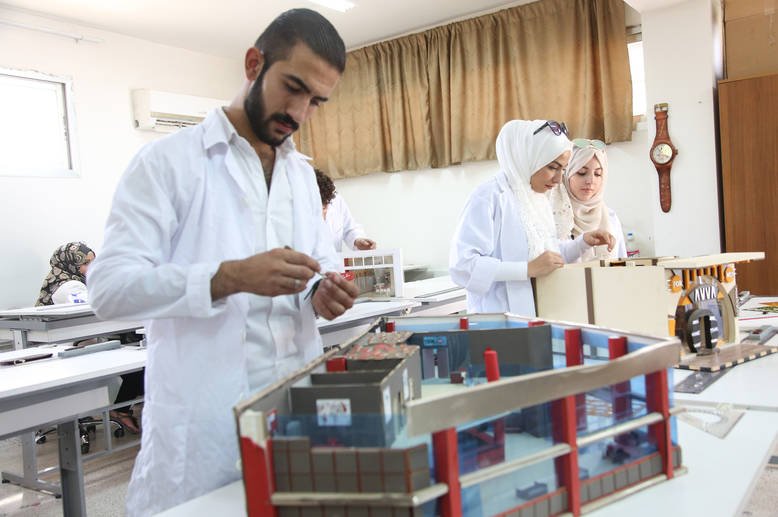
Palestine – Vocational Training for Refugee Youth (2024) - Digital Development
In partnership with UNRWA, Korea is improving vocational training centers in the West Bank to equip vulnerable Palestinian youth with IT and coding skills for digital job markets. Palestinian refugee youth face high unemployment rates and limited job prospects, exacerbated by economic challenges and the COVID-19 pandemic. Between 2024 and 2026, KOICA is providing USD 7.6 million to UNRWA to enhance the employability of Palestinian refugee youth, including those with disabilities, particularly in digital and new technology sectors. The project focuses on modernizing three UNRWA vocational training centers in the West Bank, offering market-relevant training in coding, information technology, and other emerging fields. Thousands of refugee youth are expected to gain improved technical skills, leading to increased employment opportunities and contributing to regional stability.
- Learn more here
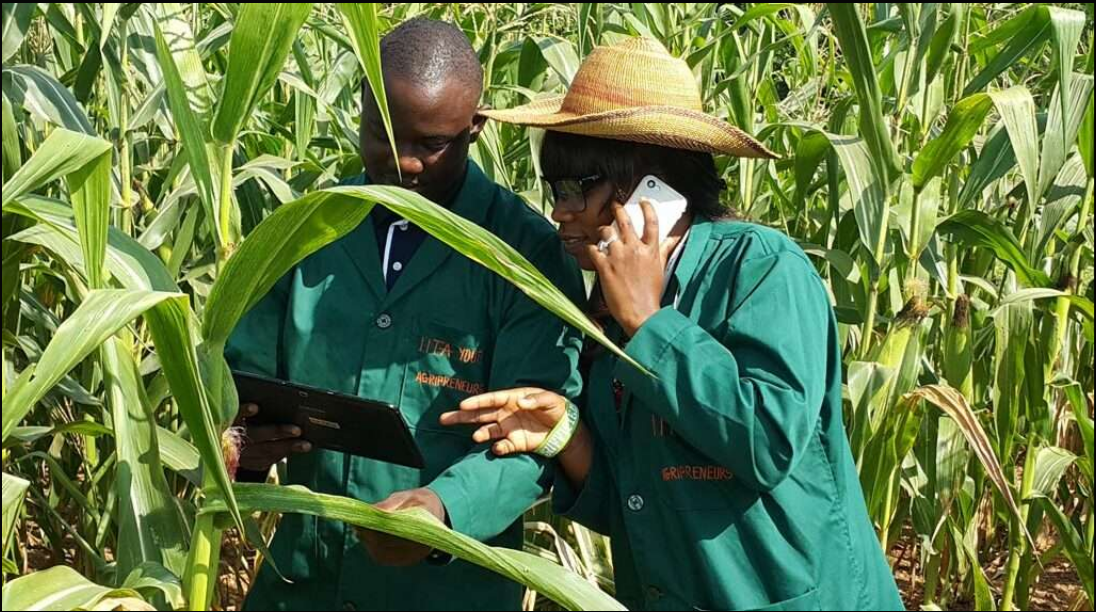
Kenya – Urban Youth Employment through Digital Public Works(2022)-Urban
Under the Kenya Informal Settlements Improvement Project (KISIP II), the World Bank and partners piloted a “Digital Public Works” program in 2022 to map urban risk areas while providing work to young people.
About 300 youth (ages 18–25) were recruited (out of over 1,000 applicants) from Nairobi’s slum communities to collect and digitize data on buildings, infrastructure, and social services in their neighborhoods. These youths earned income while receiving training in GIS mapping, surveying, and data analysis. According to the World Bank’s GFDRR, the data they gathered will help urban planners target investments and also increase community resilience to disasters. The pilot’s success has attracted additional support – it is being scaled up to 15 more settlements with funding from the Korea–World Bank Partnership Facility, integrating this model into city planning on a larger scale. Private tech firms have been indirectly involved by providing mapping technology and tools for the project.
This case shows how urban development programs can create jobs: youths improve their city’s infrastructure (in this case through digital mapping of roads, flood-prone areas, etc.) and gain valuable tech skills. According to the World Bank, such digital jobs in urban projects not only tackle youth unemployment but also foster a sense of ownership in community development. The Kenya example may serve as a template for other cities in Africa, with Korean support helping to replicate this public-private, high-tech approach to urban youth employment.
- Learn more here
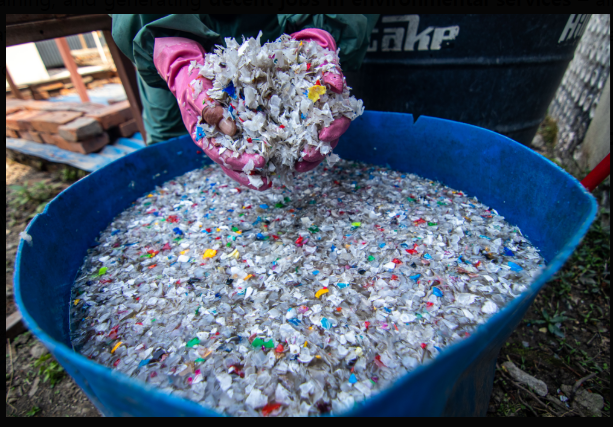
Nepal: Job Creation through Recycling and Upcycling (2024-2029) - Environment
In Nepal, KOICA and the UN Development Programme (UNDP) have teamed up with the city of Pokhara on a project to turn solid waste management into a source of employment. The “Job Creation through Recycling and Upcycling in Pokhara (GCRU)” project (2024–2029) is backed by USD 5.8 million from KOICA (plus $870,000 from UNDP). It aims to foster a circular economy in Pokhara by supporting recycling and upcycling enterprises. Key activities include establishing a Venture Zone – a dedicated area for recycling businesses and education – and training communities on waste separation, entrepreneurship, and sustainable practices.
The project explicitly targets job creation: it aims to create 680 jobs in recycling/upcycling and to help launch 30 new enterprises, which would generate an additional 300 jobs. In total, nearly 1,000 employment opportunities are expected as small businesses turn trash into economic value. By combining environmental management with skills training for youth and women, the project advances inclusive development. It aligns with sustainable development on responsible consumption and production, decent work and economic growth, and sustainable cities.
- Learn more here
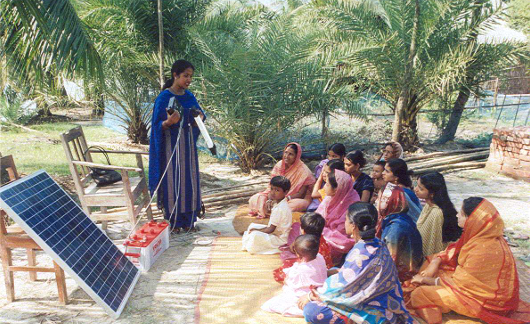
Bangladesh – Solar Technicians and Green Energy Entrepreneur -Energy
According to the World Bank, expanding renewable energy access can be a powerful engine of youth employment. In Bangladesh, for instance, the scale-up of solar home systems over the past decade not only brought electricity to millions of rural households but also created thousands of jobs for young people in sales, installation, and maintenance of solar panels and batteries. This was part of an energy program supported by the World Bank and other donors. Young technicians were trained to install solar home systems in off-grid villages, often partnering with private solar companies.
Many also became entrepreneurs running solar servicing businesses in their communities. KGGTF has been supporting such efforts by sharing technical expertise and financing feasibility studies for renewable energy projects. Overall, Korea and the World Bank ensured that young workers can gain employment from the clean energy transition. Whether it’s training youth in solar panel assembly in Vietnam or certifying young electricians in Kenya’s off-grid solar initiative, these energy programs leverage private sector know-how (solar companies, start-ups in energy tech) and public funding to create green jobs.

Nepal – Youth in Water Supply and Irrigation Projects - Water
Investments in water and sanitation infrastructure often bring significant employment opportunities for young people at the local level. In projects supported by the World Bank across Asia and Africa, youth are engaged as skilled and unskilled workers building dams, laying pipes, installing pumps, and maintaining water facilities.
For example, a rural irrigation scheme in Nepal trained unemployed youth as pump operators and irrigation technicians, creating jobs while improving agricultural productivity. Likewise, urban water supply expansions frequently partner with the private sector (construction firms, water utilities) to hire local youth for network installation and customer outreach. According to the World Bank, water sector projects can have a high job multiplier: every million dollars invested in water and sanitation can generate many times more employment in associated industries (construction, manufacturing of pipes, equipment maintenance, etc.).
Korea has contributed expertise through its water agencies in such projects, sharing models of community-driven water management and funded capacity-building so that young engineers and plumbers can operate the new systems effectively.